• 【Kidney Biopsy Experience】The Must-Read Necessity of Data-Driven Treatment for Her Renal Disease

    ※This is Puchiko’s experience and isn’t a substitute for diagnosis or treatment.

    I think I’ll take the liberty of explaining the kidney biopsy that Puchiko underwent, based on what I witnessed. What images come to your mind when you hear the term Kidney Biopsy? I made sure to observe Puchiko’s procedure closely. I know that those who actually have to undergo a kidney biopsy must feel anxious. I’d like to share Puchiko’s firsthand experience with the procedure.

    1. Who Needs a Kidney Biopsy?

    What is a kidney biopsy? If I just told you to refer to the many chronic kidney disease survivors who write about this elsewhere, you’d think I was lazy. So, let’s be thorough.

    First, let’s talk about the select few who undergo a kidney biopsy. Since Puchiko lives in Japan, I will share the Japanese criteria here.

    1) When there is 0.3–0.5g or more of proteinuria per day.

    Puchiko had urine soaked in protein more than any other renal disease (same as her) patient, excreting about 40 times more urine protein than normal.

    2) When a massive amount of proteinuria is observed (e.g., Nephrotic Syndrome).

    3) When there is acute kidney failure (a state where the kidney’s filtration function worsens over a week).

    The condition where acute renal failure is accompanied by blood in the urine is called “Rapidly Progressive Glomerulonephritis (RPGN).” This often occurs due to systemic diseases and requires prompt diagnosis and treatment.

    4) When diagnosing the cause of unexplained renal failure without hematuria or proteinuria.

    5) For diagnosing the cause in a transplanted kidney.

    Of course, even if you meet the above criteria, you may not be able to undergo a kidney biopsy. For instance, if:

    • The kidneys are atrophied or there is a size difference between the left and right kidney according to an ultrasound.

    • A bleeding tendency cannot be controlled.

    • There is an infection in the kidney itself or the surrounding area.

    • There are morphological abnormalities in the kidney, such as Polycystic Kidney Disease (PKD).

    • The patient cannot comply with instructions during the examination or maintain post-examination bed rest.

    • The patient does not wish to or cannot give consent.

    Also, the doctor told Puchiko that patients with only one kidney cannot have the biopsy.

    2. Why Do They Do a Kidney Biopsy for Renal Disease?

    Puchiko’s failure to undergo the biopsy initially, only to later receive unsuccessful treatment, is a perfect example of its necessity. Most her renal disease patients likely follow the sequence: Kidney Biopsy → Tonsillectomy → Steroid Pulse Therapy.

    However, Puchiko’s former doctor said, “In my gut feeling, after 40 years at [a famous university hospital], you have renal disease. Your hematuria won’t disappear.” Based solely on that gut feeling, Puchiko underwent a tonsillectomy but was only treated with medication for blood clots, hyperlipidemia, and high uric acid.

    Two years passed without any drugs effective against renal disease. And what happens to people in such a state? “You’re just losing time and money without knowing the correct status! Achieving remission after the disease has progressed takes more time and money! Is that okay? Do you want to end up like Puchiko? The reason you need the biopsy is precisely so you don’t end up like her. Decide on treatment based on data, not a gut feeling!” I want to scream this to my readers. Don’t you feel the necessity? Don’t the words of someone who failed penetrate to your very core?

    To reiterate the necessity of the kidney biopsy: it reveals the current status of your kidneys. If normal is Grade 0 and mild renal dysfunction is Grade 1, then renal failure is Grade 4. When Puchiko finally had her kidney biopsy, she was at Grade 2. The biopsy shows how much the kidney tissue has been threatened by I g A. This detailed status allows doctors to tailor the treatment accordingly. There is so much information you can’t get from just urine and blood tests alone.

    Did I manage to convey the need for the biopsy? From here, I’ll share Puchiko’s experience of the procedure.

    3. The Procedure

    As a prologue, before the kidney biopsy (which was before her hospitalization in Puchiko’s case), an ultrasound is performed to check for kidney atrophy, left-right size differences, or morphological abnormalities. To prepare for bleeding, anticoagulant drugs (so-called “blood thinners”) are stopped. Since she was taking them for clot prevention, Puchiko had to go without them during the biopsy hospitalization.

    There are two methods: local anesthesia in the patient room/ward (which Puchiko had) or general anesthesia in the operating room.

    For the procedure: Since movement is strictly prohibited for 24 hours after the biopsy—even for going to the bathroom—a urinary catheter is placed. Puchiko said this was the most painful part of the entire kidney biopsy. She was furious at me afterward. I apologize. I don’t want to shock you with the word “painful,” but it is painful. Why? Because in her case, the attempt failed four times, and the catheter was removed and reinserted once. It was a tragedy.

    Now, for the main event. She was moved to the specialized room on her bed. Lying face down, her back was heavily slathered with Iodine (like applying a massive amount of toner). Three doctors, three nurses, and one person who looked like a technician—many eyes were fixed on Puchiko’s iodine-coated back and waist area. They use an ultrasound to observe the kidney’s shape, and multiple doctors determine the needle insertion point. After injecting local anesthetic into the skin, a thin needle (about the size of a ballpoint pen tip) is inserted through the back, and anesthetic is injected onto the surface of the kidney once the needle reaches it.

    The doctor says, “Now, I will insert the needle… Take a breath in—Now! Hold your breath completely.” A loud thwack sound is heard. The needle enters the kidney, and a small piece of the kidney is collected. The tissue is about the thickness of a pencil lead and 1 to 2 cm long. I was watching the whole thing from behind and got goosebumps.

    Only one kidney is tested; in Puchiko’s case, it was only the left one. The technician checks the collected tissue under a microscope to ensure the desired sample is included. If it’s insufficient, the collection is restarted. (Puchiko’s collection was restarted.) After the biopsy ends, the area is compressed for about 10 minutes while lying face down to stop the bleeding. The doctor’s pressure was so strong I worried Puchiko’s body might literally crack.

    After hemostasis, she had to lie on her back for 24 hours of strict bed rest, without moving at all. She survived by using a straw attachment for her water bottle. Since Puchiko couldn’t eat by herself, a nurse assisted her with her meals. She had the biopsy in the early afternoon, and by 6 PM, she was allowed to raise the head of the bed slightly to a seated position.

    4. About the Pain

    The kidney biopsy itself involved only a slight prick from the anesthetic injection, and apparently, there was no pain from the needle stabbing the kidney. She had been told, “It’s going to hurt,” so Puchiko expected pain after the anesthetic wore off, but she described the pain level as a “refreshing, wasabi-like sting.” Many survivors say that the absolute bed rest is the hardest part, and nurses warned her about the difficulty, but Puchiko didn’t find it hard at all. People with chronic lower back pain might find it tough, though, as lying on your back puts a strain on the lower back.

    5. Coping During Absolute Bed Rest and Things to Note

    What did Puchiko do during her absolute bed rest? She listened to podcasts on Spotify: Kemio’s Ear Cleaning Club and The Fabulous World of the Kano Sisters (which were airing then). Lying in her large shared room bed, she was laughing so hard she was silently rolling around—well, she couldn’t actually roll around because of the bed rest, but she looked like she was having fun.

    I know some of you reading this are worried: “What if it hurts?” “What if the results are bad?” The kidney biopsy hospitalization is just one or two days of enduring the procedure plus the stress of being hospitalized. But it reveals the path you must take next. Instead of being consumed by worry, you understand what needs to be done. Even if the results are bad, you now have a treatment plan to assemble. Knowing this brings true peace of mind. To be freed from vague, frustrating anxiety, this is a time you absolutely must overcome. We, too, are on the other side of this challenge. We wholeheartedly support you.

    You Might Also Like
  • 【Toxic Friendship & Chronic Illness】The Arrogance of Talking About “Weak Bodies” in Front of a Sick Friend

    Puchiko went out to meet people, which is rare for her. What I am about to write about made me furious as someone close to Puchiko, and I will refrain from mentioning names or other identifying details because I won’t write kindly about that person. Puchiko herself felt slightly bothered, but after returning home, she was watching Poirot quite cheerfully, so she didn’t seem to mind… or rather, she wasn’t paying them any mind. However, I felt such anger toward that person that I told Puchiko, “Don’t ever associate with them again.”

    I felt such anger toward that person that I told Puchiko, “Don’t ever associate with them again.”That incident only solidified my core belief: For me, Puchiko’s health and treatment come first, above absolutely everything else.

    Living with a chronic illness means that not only your body, but your mental energy is constantly being drained. That’s why it becomes necessary to clear out the toxic relationships from your life. It’s something I wish I didn’t have to do, but I made the decision. For me, Puchiko’s health and treatment come first, above absolutely everything else.

    Living with a chronic illness means that not only your body, but your mental energy is constantly being drained. That’s why it becomes necessary to clear out the toxic relationships from your life. It’s something I wish I didn’t have to do, but I made the decision.

    “The toxic friend” who will appear in this story had once made a joke out of Puchiko’s facial expressions and symptoms when she was suffering, and they did this right in front of our mutual acquaintance. This was done even though Puchiko was right there. I was standing just behind her to the left when I heard it, and I felt intensely disgusted. I couldn’t understand the nerve of someone who would mock a person for being unwell.

    I realized with absolute certainty that the sheer discomfort and stress from that person was nothing but poison to Puchiko’s recovery and health management. And so, I made the decision: “I will completely distance Puchiko, and myself, from this toxic environment.”

    Through this episode, I want to explain why “decluttering your relationships” is just as crucial as medical treatment for people living with a chronic illness.

    1. The Discomfort of Trivializing a Shared Acquaintance’s “Weakness” While Knowing Her

    What shall I call that person? Let’s call them “The toxic friend.” The relationship with “The toxic friend” has been simmering for a long time. They are someone who stimulates a deep-seated aversion in Puchiko. Since they belong to the same social circle, they occasionally have to interact.

    “The toxic friend” started talking about a mutual acquaintance of Puchiko’s who suffers from mental health illness. Though they must have known about the person’s condition, “The toxic friend” proceeded to say, “People with weak bodies are hard to invite out,” “You can’t do any job without being healthy and physically strong,” and “It gets awkward and takes too much care when you know too much about their illness.”They stated this as if intentionally disregarding the other person with a weak body (Puchiko) right there, or as if they were doing it deliberately.

    I wonder what “The toxic friend” truly thought of Puchiko’s five years of living with illness. Puchiko listened without showing emotion, like Michael Corleone, but if she had commanded me to “kill them,” I might have done it. It is impossible, of course. That is the sad fate of an imaginary friend.

    “The toxic friend” voluntarily follows Puchiko’s social media accounts dedicated to her illness, knowing full well about her struggle and dietary restrictions. Why, then, would they say such things in front of her? If they feel that way, why did they seek to associate with her in the first place?

    To make matters worse, “The toxic friend” had once made a joke out of Puchiko’s facial expression and symptoms when she was suffering during an outing, and they did this right in front of our mutual acquaintance.

    2. The Arrogance of Hurting Others and Erecting a “I Am Special” Defense Line

    Even after more than 15 years, Puchiko has not forgotten a phrase “The toxic friend” uttered. When Puchiko’s father resigned due to depression, “The toxic friend” said, “My own father crushed people like that, though.” And today, they were making a joke out of another weak person right in front of us.

    Puchiko chose the “adult” response toward “The toxic friend.” She knows that trying to correct or argue with “The toxic friend” is futile, as “The toxic friend” will only attempt to win the argument, which would be detrimental to her own mental health. Borrowing “The toxic friend’s” past phrase, “There is only right or left in the world,” this unknowingly flawed perspective is likely a manifestation of a deep-rooted self-defense mechanism that cannot neutrally respect others.

    Even if “The toxic friend” maintains an appearance of a “successful person” through sheer vanity, promoting their job as superior and masking the reality that their current office is only sustainable through parental support.

    Neither Puchiko nor I need to crush “The toxic friend’s” façade. The strength we must possess is not about controlling people like “The toxic friend,” but the wisdom to respect our own feeling of “dislike” and maintain distance. Puchiko’s small, daily peace should not be destroyed by the arrogant remarks of someone like “The toxic friend.”

    By the way, when Puchiko finished watching Poirot, I asked her, “Why are you okay after being told those things on your precious day off? Aren’t you angry?”

    Puchiko replied, “I was angry. Or rather, I just reconfirmed that my initial gut feeling when I first met this person—that I couldn’t stand them—was correct. Besides, you were the one who completely freaked out and blew up more than me, you, so watching you rage actually made me feel relieved. Thank you.”

    3. TIPs for Puchiko’s Comrades Living with Chronic Illness

    There will always be people like “The toxic friend” who try to inflict deliberate pain. When Puchiko was hospitalized for her renal disease treatment, a colleague referred to her desk as “the sick island.” Others may utter hurtful words with good intentions, or introduce unwanted information during your struggle.

    What I have learned from watching over Puchiko is that the strength we must possess, to reiterate, is not to fix people like “The toxic friend,” but to respect our own feeling of “dislike” and maintain distance.

    And there is one more thing I want to convey to the reader. Never, ever discuss your personal passions or things you love with “The toxic friend” type of person.

    For them, it merely becomes “bait” to attack your vulnerability or joy. When your favorite things are denied and met with mockery like, “You like that much?” it can deeply wound you, feeling like an assault on your very core. This is because Puchiko was once subjected to this by “The toxic friend.” Puchiko’s small, daily peace must not be destroyed by the arrogant words of people like them.

    You Might Also Like

  • The Importance of Choosing Your Nephrologist Wisely Part 2

    ※This is Puchiko’s experience and isn’t a substitute for diagnosis or treatment. 

    In the previous article, I discussed Puchiko’s two years of wasted treatment and her decision to transfer hospitals.

    This piece details the truth of how we found a trustworthy specialist—the search for expert care—and the candid account of what I told Puchiko when she was in utter despair.

    The Importance of Choosing Your Nephrologist Wisely Part1 is here.

    7. Her Renal Disease Treatment in Japan

    Since I’m writing in English, I assume many non-Japanese readers are reading this. In fact, renal disease is said to be common in Japanese people. The reason isn’t yet known, and Puchiko is currently cooperating with research by providing her genetic samples to the university hospital she now attends.

    When Puchiko decided to transfer hospitals, she contacted the renal disease Radical Treatment Network founded by Dr. Hotta, an authority on her renal disease treatment in Japan. She sought information and asked them to recommend hospitals near her with experience in treating the disease. Depending on the region, specialized treatment for her renal diseasemight not be available, and it seems Dr. Hotta’s hospital (in Sendai, Miyagi Prefecture) sometimes treats patients from other prefectures. She secretly wished Dr. Hotta could treat her directly, but they suggested a nearby medical institution with a proven track record.

    If you transfer hospitals without a referral, you’ll incur an extra fee for the first visit. However, Puchiko decided she wouldn’t skimp on money anymore, having brought about the worst results by trying to save on transportation costs before. She wanted to tell the old nephrologist, “I don’t trust you, so I’m transferring. Write the referral quickly,” but she didn’t. Instead, she skipped her next scheduled appointment and quietly went to the hospital Dr. Hotta recommended. During her first visit there, her new attending physician couldn’t understand the previous doctor’s prescription, saying, “Are you taking this medicine? Why? You don’t need it! It’s completely unrelated to this disease.”

    It was at the new hospital that Puchiko had a kidney biopsy, received steroid pulse therapy, and achieved remission. (We’ll talk about that later.)

    8. My Observations as Her Close Companion

    Puchiko was in a mode of despair back then, told by her doctor that her urine blood “won’t disappear now” after two years of treatment. Her mood immediately turned pessimistic, and she was irritable, speaking like a knife with too sharp an edge. In that state, she wasn’t proactively researching her illness.

    It was rare for me, but I told her: “Are you going to accept being given up on by that quack doctor who can’t empathize with patients and speaks like a boor? Aren’t you frustrated? Cure what he said wouldn’t be cured, and one day, tell him, ‘Leaving your care was the right decision.’ (She didn’t actually go and say it.)” I said this because, at the time, she was covering her ears against well-meaning encouragement from others, and I didn’t want to hurt her with any extra comments. But I had witnessed everything, and I said it because I believed she’d remain in despair otherwise. It was an all-or-nothing gamble, and I’m glad it succeeded.

    Message

    Don’t compare yourself to others. That’s important. Also, don’t hesitate to ask your doctor questions about your treatment. Puchiko’s shift to a doctor she felt comfortable asking questions of completely changed her attitude toward treatment for the better. You don’t have to force yourself to be positive, but please don’t despair. I’m rooting for you!

  • The Importance of Choosing Your Nephrologist Wisely Part 1

    ※This is Puchiko’s experience and isn’t a substitute for diagnosis or treatment.

    What You’ll Learn from Puchiko’s Experience: 1. Why Kidney Biopsy capability is more important than star ratings. 2. How to assess a doctor’s attitude and trustworthiness. 3. The danger of trying to save on transportation costs for long-term care.

    Choosing a nephrologist is a crucial point in the treatment of renal disease and other kidney diseases. I still regret that Puchiko’s initial choice led to wasted time and the deterioration of her kidney function, even now that she’s in remission.

    Here are the key lessons learned from her experience and important points to consider when selecting a clinic.

    Puchiko’s Mistake: The Danger of Choosing by Rating and Proximity Alone

    When Puchiko had an abnormal urine test result and decided to see a nephrologist, she relied on Google ratings and chose a nearby clinic with five stars.

    Without performing a detailed examination like a kidney biopsy, the doctor diagnosed suspected renal disease based solely on his “40 years of experience at a university hospital.” That’s the worst compass for life. The treatment consisted only of tonsillectomy (which is understandable) and medication unrelated to renal disease. When her condition didn’t improve, he eventually gave up on her, saying, “Your urine blood won’t disappear now.”

    She didn’t just spend two years wasting time and money on meaningless treatment; her e-GFR continued to worsen during that period.

    By the way, Puchiko actually did a re-examination at a nearby general clinic before going to that specialist. She was trying to save on transportation costs. By saving a few hundred yen, she wasted about a month of time. I wonder how much she wasted in terms of hourly wage? The result of that re-examination was, “Yes, you have protein and blood in your urine, but since it’s not cancer, there’s no abnormality.” While not having cancer was good, Puchiko felt a vague sense of dissatisfaction. Although she was a complete amateur, she wanted to scream, “That can’t be okay!” but she swallowed her words since she’d neglected it for years. That’s why she went to the specialist mentioned above.

    Key Points for Choosing a Nephrologist

    1. Confirm Expertise and Experience

    Kidney disease treatment requires specialized knowledge and the latest guidelines. Choose a hospital that can perform detailed examinations, including a kidney biopsy. University hospitals or facilities with kidney specialists are ideal. However, the five-star clinic Puchiko went to also had a kidney specialist…

    Google reviews with a 5 -star rating don’t guarantee safety. When Puchiko and I checked, that clinic had five stars. That’s the same perspective as a person in power who only looks at numbers. We deeply felt at that time that it’s better to reserve looking at the number of stars for the sky only.

    In any case, if your urine test is abnormal, get re-examined at a urology or nephrology clinic instead of just checking with a nearby general practitioner, as she did initially.

    2. Does the Doctor Offer the Latest Treatments?

    Treatments for her renal diseaseand other kidney diseases are constantly evolving. Ask the hospital or doctor directly if the treatment is based on the latest research and guidelines.

    It was around the time Puchiko started reading the guidelines that she gained enough knowledge to start questioning her own treatment, which she’d been leaving entirely up to the previous nephrologist: “Is this really the right path?”

    3. Compatibility with Your Doctor is Also Important

    Since kidney disease treatment is often long-term, reliable communication with your doctor is essential. Check if their explanations are easy to understand and if they carefully answer your questions.

    The first nephrologist was good at explaining the mechanism of renal disease. However, he didn’t patiently answer Puchiko’s questions. When she asked something, he’d wear a look of annoyance, as if she had just breathed a hot sigh in his ear in the middle of summer.

    As I mentioned, the first nephrologist Puchiko consulted was confident in his “40 years of experience at a university hospital.” That was his only pride.

    When Puchiko expressed her anxiety about taking time off work for a tonsillectomy—being a non-regular employee—the doctor frowned, looked incredibly bothered, and snapped back with hurried acknowledgements like “Huh?” and “So?” He dismissively told her, “Don’t worry about such minor things. If I write the diagnosis, they won’t complain.” I wanted to scream, “They won’t complain about the surgery, but what if she permanently loses her seat at work? Doesn’t he understand the patient’s feelings?” It was clear expressing her anxiety to him was strictly forbidden.

    Watching that, my blood boiled. I shouted all sorts of insults at that doctor right then and there. It wasn’t a problem; I’m her imaginary friend, and only people with a pure heart can hear my voice.

    Also, at the time, Puchiko was sometimes in a position to counsel dialysis patients for her job. She found it unbearable, feeling she was looking at her future self. When she told the doctor this, he said, “You won’t need dialysis for another 10 to 20 years, so you’ll be fine.” She thought, “Ah, this doctor assumes I’ll become a dialysis patient. He doesn’t intend to lead me to remission before that. Or is it that he makes more money if I become a dialysis patient? I bet it is.”

    She should’ve decided to change hospitals at that point, but she continued going out of inertia, like a person who can’t break up with a terrible boyfriend. While discussing her anxieties and worries with this doctor was useless, she still had questions about things like the general duration of her hospitalization and treatment.

    Furthermore, this doctor kept changing his prognosis. “It’ll turn negative in six months,” then “It’ll be negative in a year,” and finally, “Your urine blood won’t disappear now.” After two years of visits, her kidney function (e-GFR) dropped from 100 to 60, with no improvement. Finally, Puchiko told me, “I don’t want to go to this doctor anymore.” She concluded that building trust with him was impossible due to his arrogant attitude. She transferred hospitals to protect her own body.

    (Also, once, when this doctor made a prescription error, a pharmacist called to confirm, and he yelled, “There’s no way I made a mistake!” At the next appointment, he complained to Puchiko, “That pharmacist is useless. They’re no good.” That turned me off. I thought, This guy’s impossible.)

    4. Ease of Access is Important for Continuing Treatment

    When treatment is long-term, consider the convenience of commuting. However, don’t choose based solely on proximity; balance it with other factors. Puchiko’s decision to choose a place “just three or four train stops away” was her second mistake—she was again saving on transportation costs. While it’s understandable to want a nearby clinic, especially given the long waiting times, if you can tolerate an hour, you should widen your search for a better medical institution.

    The most important thing, however, is trust in the treatment and the doctor. (Also, hospital food… when Puchiko was hospitalized for her tonsillectomy, the food was so bad she went on a hunger strike and had to meet with the doctor and dietitian. I consider that a hunger strike.) While a three-hour commute from home is certainly a hardship, true ease of access is less about distance and more about trust. Let’s say the distance of the heart is more important. That’s a good point I just made.

    5. Referencing Patient Voices

    Besides online ratings, it’s important to research patient feedback on treatment. Use patient associations, social media (SNS), and review sites to gather actual experiences. You can compare them with the treatment you’re receiving. Treatment plans vary according to individual symptoms and test results, but if anything concerns you when comparing, you should feel free to ask your doctor. Isn’t that trusting relationship—being able to ask questions freely—what’s crucial for treatment? After all, you’re undergoing treatment for yourself, not for the doctor, and you’re not paying money for the doctor’s sake. You want to receive treatment with conviction, right?

    Instagram is full of information on what treatments and diets other patients are using. Beyond just collecting information, having peers is a huge emotional support, especially for a rare disease.

    6. Lessons Learned in Choosing a Nephrologist

    In Puchiko’s case, the 2 years of wasted treatment resulted in reduced kidney function. Her e-GFR was already quite low when she finally changed hospitals. During that time, she became very depressed and even considered giving up on treatment. Because the doctor told her, “Your urine blood won’t disappear now,” she felt, “What’s the point of trying?”

    If she’d chosen the right nephrologist from the beginning, she could’ve received the correct treatment much earlier. Early detection and appropriate treatment are key to kidney disease, so choose your medical institution carefully for re-examination.

  • Signs of Renal Disease That Puchiko Now Regrets Ignoring

    ※This is Puchiko’s experience and is not a substitute for diagnosis or treatment.

    The physical changes that appear before an illness is discovered are often easy for many people to overlook. Here, I will talk about the signs of renal disease that Puchiko experienced. If you have reached this article and are feeling similar symptoms, please consider getting an early checkup. These are just the signs that Puchiko ignored.

    Alert from the kidneys.

    This is a picture of the kidneys’ plea, which Puchiko drew for another blog. I asked Puchiko and got permission to use it.

    1. Do Your Tonsils Swell Frequently?

    Since childhood, whenever Puchiko caught a cold, her tonsils would swell, and due to the repeated inflammation, her tonsils became enlarged. Tonsils have tiny crevices where tonsil stones (tonsilloliths) accumulate. These foul-smelling masses are composed of shed epithelial cells, lymphocytes, white blood cells, bacterial clumps, inflammatory breakdown products, fatty acids, cholesterol, calcium phosphate, and food debris. They are a cause of bad breath. Usually, if they are bothersome, they can be professionally removed by an ear, nose, and throat (ENT) doctor. However, because her tonsils were so enlarged (Grade 2 out of 3), she could see them and removed them herself. This is absolutely something you should never do, but she did not listen to my words. Her tonsils were simply that enlarged that she could easily see and remove them.

    My TIPs to you: Pay attention if you frequently have swollen and enlarged tonsils. Why? Because renal disease is a disease where the lesion is in the kidneys, and the causative site, the tonsils, might seem unrelated, making it easy to overlook.

    2. Do You Frequently Have Your Mouth Open?

    Related to the above, many people who frequently have swollen tonsils are likely mouth breathers. When Puchiko was suspected of havingrenal disease, she read various papers about tonsils. Her parents told me that she had been a mouth breather since childhood after a pediatrician accidentally injured the back of her nose during a cold. Because of this, not only were her tonsils prone to swelling, but she also had a vacant expression with her mouth slightly open. Oops, I said too much. Due to this influence, her jaw development was poor during childhood, leading to an adenoid face. Mouth breathing is generally not good for jaw formation. I will omit the details about adenoid face here, but as an adult, there is little one can do besides relying on cosmetic surgery. The mouth is for digestion; the nose is for breathing. Let’s breathe through the nose. In addition to the above, mouth breathing is also a sign.


    3. Do You Mistake Hematuria (Blood in Urine) for Menstrual Effects?

    Since I’m not a woman, I don’t know the reality, but it is common for women to get re-tested for urine due to menstruation. Puchiko failed her urine tests several times in her teens and twenties. In a health checkup in her late twenties, she was called back for re-testing due to hematuria. At that time, she felt a slight sense of unease. The source of this feeling was that something felt different from before. However, she didn’t want to admit that something was wrong and averted her eyes, believing a young person like her couldn’t possibly be sick. However, this test was taken one week after her period had ended. She knew it should no longer be affected by menstruation. Yet, she felt uneasy about the result. I could only watch and urge her to get re-tested. Anyone who has been called for a re-test has likely searched the internet repeatedly and arrived at the common answer: “Please go get re-tested.” Had she gone for re-testing at this point, her treatment time might have been shorter.

    4. Did You Fail a Urine Test for Proteinuria (Protein in Urine)?

    This is the final warning sign the kidneys are struggling to send you, like a fire within the kidney itself. Puchiko had a +1 result for proteinuria on her health checkup. The action she took this time was, again, searching the internet. She was hesitant to take the step of getting a re-test. She took the phrase “a little proteinuria can occur when fatigued” written there at face value… no, she willed herself to believe that was the case. However, normally, protein in the urine does not appear so easily.

    If you are reading this article now because you were anxious and searched after an abnormal result for proteinuria in your health checkup, the only thing you need to do is get re-tested. Puchiko, in this state, told herself, “It must be fatigue,” skipped the re-test, and went to Australia for a working holiday. In the end, she ignored my words. In times like these, you should listen to the advice of those around you.

    5. Is Your Urine Foamy?

    After that, Puchiko started noticing that her urine was foamy. This is a repeated paragraph in the user’s previous context, please check and fix the issue.

    After that, Puchiko started noticing that her urine was foamy. She felt uneasy about this too and tried to calm herself by searching the internet. Articles related to kidney disease appeared, but it is human nature not to want to see inconvenient information. Again, she chose an article that said, “Urine can be foamy when you are tired,” and tried to reassure herself by reading it. I will warn everyone: the reason for the foam is proteinuria. As a result of neglecting this, her urine began to look like beer foam three months later. Still, due to being overseas and then working part-time while attending school at night after returning home, she hadn’t had a health checkup for about three years.

    6. The Result of Ignoring the Signs I Listed Here

    Finally, at the health checkup for her new job (since the workplace provided a checkup upon entry, a prior checkup result was not required), she hit values of Proteinuria +3 and Hematuria +3. Even Puchiko, who had continuously ignored the signs while feeling uneasy, realized something seriously bad was happening. Incidentally, in Japan, workplace health checkups typically only report up to +3, even if the actual value is higher. The maximum value detectable in a nephrology clinic test is +6, and her initial test showed Proteinuria +4 and Hematuria +4. Having neglected it for years, her condition did not improve easily even after two years of treatment (※She is currently in remission).

    If you have arrived at this article after anxiously searching the internet because you recognize the signs Puchiko felt, please be brave and get a re-test. It costs money, it’s bothersome, and it’s scary, but putting it off will cost more money, be more bothersome, and become much scarier.

    As a partner who always watched the affected person, I’m not supporting anyone with renal disease or similar symptoms. Take the courage to take the first step!

  • 【Puchiko, Stressed and Teased by a Conditional Job Offer】 Balancing Chronic Illness and Work

    ※This is Puchiko’s experience and is not a substitute for diagnosis or treatment.

    Puchiko seemed to have a good day yesterday. This is because she went to her favorite Sicilian restaurant with her parents. After eating her beloved oyster pasta, a dish she always orders at this place, she looked perfectly content. Seeing her from behind, I felt a sigh of relief.

    This is because, just 3 days prior, Puchiko had received a Conditional Job Offer. It was back in June that Puchiko had applied for the employment exam.

    As you know, Puchiko carries various chronic illnesses, primarily renal disease. Although she is currently in remission, there is always a risk of relapse if she catches an infection like a cold, influenza, or COVID-19. If that happens, she may need to be hospitalized again for steroid pulse therapy (【Steroid Pulse Therapy Renal Disease】Mischievous Steroid 5 Difficult Lessons from Puchiko’s Experience), forcing her to endure the side effects she overcame after a year: moon face, depression, and easy susceptibility to infection. As her ally, I want to prevent that.

    However, in life, anything can happen. It’s unrealistic for Puchiko, in her mid-30s, to believe she will never catch such an infection until her death. If she does contract one, or if the 37% of her glomeruli already dead from renal disease cause her kidney function to progress for the worse, it’s entirely possible. What would happen if this woman, already burdened by many chronic diseases, suffered from another serious illness? During her hospitalization for steroid pulse therapy for renal disease, she was told that future necessary medication would affect potential pregnancies, and she cried bitterly in the hospital ward. Since she received a friend’s birth announcement on the very day she was told that, it was truly heartbreaking to witness. She must have thought, “Why me?” While she never particularly wanted children, having her options reduced was probably painful for her. Although she had already decided she didn’t need romance or marriage, that event solidified her resolve.

    Puchiko’s immediate family consists of her parents and younger brother. But her parents will pass away before her. She becomes anxious when she thinks about being alone in her old age. She has a job, and to avoid losing it, she obtained qualifications as a certified professional and a Japanese language teacher. She currently works as a part-time specialized occupation worker, working just over 7 hours, 4 days a week. Since her employment is part-time, her contract must be renewed every year, but it terminates after 3 years. Each time, she must reapply through an organization call and go through an interview with other candidates. Some employees who previously worked there have failed to be rehired. If the project she is working on changes, her contract may not be renewed, resulting in unemployment. Unfortunately, the number of clients is drastically decreasing, and it is anticipated that she may lose her job someday. There is no severance pay. Furthermore, while she is granted a few days of sick leave, if she exceeds that limit, she will lose her job. In other words, a major illness means unemployment. When she is old, she will have no spouse or children to rely on. That is why she wants to save money and solidify her insurance—to secure her own future.

    2. Why Puchiko Didn’t Apply for Permanent/Full-Time Positions

    So, why hasn’t Puchiko actively sought stable, full-time employment until now? She has tried. But when she mentioned her renal disease, she was rejected. (She past some job interviews but she didn’t disclose the facts.) This was true even when she emphasized that she was in remission. If she had diabetes, which also involves kidney issues, employers might be more willing to hire her because many people imagine someone working with diabetes—and indeed, several such employees work in her current office. But this renal disease is a disease many people have never heard of and is designated as an intractable disease in Japan, leading to unwarranted avoidance. Some might suggest she simply hide her illness during the interview. But it’s not that simple. When applying for full-time or permanent positions, she is required to undergo a health check-up once she receives a job offer. In the end, the truth comes out.

    In Japan, there is a disability employment system for those with a disability certificate, allowing them to receive accommodations at work. However, Puchiko, being a chronic illness patient in a limbo state—neither disabled nor fully healthy—does not qualify for this system. Puchiko’s renal disease was actually discovered during a health check-up after she joined her current workplace. Therefore, her colleagues know about it, and they see she can work without issues, which is why it doesn’t affect her contract renewal.

    3. Puchiko Decides to Take the Challenge

    As the 3 year mark approached since her last contract interview at her current workplace, Puchiko decided to apply for a civil service exam at a certain municipal office instead of waiting for another application for her current position. She had been in remission for a year without any issues. She felt she could pass the health check-up in her current condition. She had been debating taking the civil service exam for about 5 years since she started her current job, agonizing over whether to take it.

    The reason is that Puchiko’s only viable path to victory was to compete for a professional position. At her age (mid-30s), she had to leverage her experience to survive an exam where new graduates are her rivals.

    Puchiko is also keenly aware that the this field is tough and demanding. It is likely that if hired, she would be assigned to the department—the department most employees at a municipal office would dread. It is notoriously grueling, understaffed, and a typical environment where employees suffer mental health issues, leading to resignation or extended leave. Most citizens live modestly, but a small fraction—the handful of citizens who engage in customer harassment, who are aggressive, or who are ex-yakuza—inflict stress that breaks the staff. Although she doesn’t know if this particular municipal office is like that, this is a well-known reality in the welfare industry. She witnessed this reality firsthand in her previous job. The question is whether such a high-stress, overtime-heavy environment is bearable for someone with multiple chronic illnesses. In fact, her father, who was in an administrative role at that very municipal office, developed depression and took early retirement. The fact that he lasted decades there is impressive, given how challenging it is. Although it likely depends on the specific job duties, the reality is far removed from the overly optimistic image the public holds.

    Despite all this, Puchiko decided to take the exam for the sake of the benefits. The risk of unemployment would be lower, allowing her to dedicate herself to hospitalization and treatment without worry. The salary for a professional is good. And it would reassure her parents. These benefits are the oasis that she seeks.

    4. From Application to the Conditional Job Offer

    Puchiko applied for theemployment exam. First was the document screening, which was likely just a confirmation of eligibility and checking for typos. This narrowed the field to twelve candidates. Then she took the written exam .

    Next was the first interview. During the interview, she was asked, “This is not directly related to employment, but do you have any illness we might need to hospitalize?” When she asked “Hospitalization?” in return, the interviewer said, “Something like an illness that requires 1 month of hospitalization.” Puchiko thought to herself, “True, my renal disease treatment involved 3 separate hospitalizations for 10 days each—for the kidney biopsy, tonsillectomy, and steroid pulse—but they were all separate, and I didn’t take a full month off at once. My doctor even said it wouldn’t affect my work…” She replied, “No.” She didn’t feel she was lying. She passed those exams.

    Puchiko went on to the final interview. The questions heavily focused on topics like “How do you relieve stress,” “When do you feel stressed,” and “How do you handle problems at work.” She realized, “There are indeed people here who suffer from stress and mental illness.”

    The result of the final interview was sent by mail. The result was “Passed.” However, it wasn’t a definitive “Hiring” but a conditional notification: “There is a possibility of employment within 11 months, but only if a person resigns or is no longer able to take the position.” I shouted, “Is that even a thing?!” Although the letter said “Passed,” it was essentially an “Alternate” position. In other words, if no vacancy arises during that time, she won’t be hired. I was worried about her state of mind.

    5. Puchiko’s Reaction After receiving the Conditional Job Offer

    Despite the result being “effectively an alternate,” Puchiko seemed less bothered than I had expected. Perhaps she was slightly relieved somewhere deep down, knowing how demanding and difficult working as a full-time civil servant professional can be. The questions about stress tolerance and mental health in the final interview had convinced her of the intensity of the job.

    As mentioned earlier, Puchiko lives with the anxiety of not knowing when her illness might flare up and require hospitalization. If she works part-time, there is a risk of losing her job during a long hospitalization. However, she doesn’t qualify for employment under the disability hiring system. She also doesn’t have the stamina to work full-time and healthy. She had told me that, being single and considering her physical condition, she wouldn’t have children, and she wanted to earn a little more money to live alone in her old age with this condition. The truth is, people with intractable diseases are often in a limbo within society.

    That is why, a year after her renal disease went into remission, she took the full-time employee exam. She wanted to reduce the risk of losing her job even if hospitalized. However, she was also aware that the job would be extremely demanding and involve significant stress.

    If the result had been “Hired,” Puchiko would have readily accepted the position without a second thought. If it had been “Rejected,” she would have given up and reapplied to her current workplace. But this middle ground means she will continue to struggle with the decision: “What should I do… it’s too much stress… but the benefits are so appealing…” This is exactly where she is now.

    Amid all this, yesterday was a “cheat day” for Puchiko. She usually maintains a restrictive diet, but a cheat day is when she can freely eat what she likes. When a person is feeling low, even the most delicious food can seem tasteless, but she was genuinely enjoying her meal yesterday. Watching her laugh and spend time with her parents warmed my heart.

    While eating, Puchiko mentioned to her parents, “When I have work-related worries, even if I’m eating delicious food like this on my day off, I lose my appetite and can’t enjoy it. I think I would be happier in a lower-paying, unstable employment where I can still savor my food and enjoy my time. If a staff member resigns and they call me with an offer, maybe I should decline it.” It is a difficult decision.

    By the way, Puchiko is planning for 2-week trip to Belgium in March of next year, 4 months from now. She has already made all the reservations. She said, “What if they call me with an offer while I’m in Belgium? I won’t be able to answer the phone!” While it’s not entirely impossible to answer the phone, I agreed that the timing would be terrible if the call didn’t go through. But worrying about that phone call—does that mean she still holds onto a thread of hope for the job?

    Postscript: Developments Since Then

    This morning, just after 9 AM, Puchiko’s smartphone received a call. However, she was washing her face and didn’t notice it. I immediately told her that she had just received a call. She hurriedly grabbed her phone. Looking at the number, she had a hunch.

    The reason was, as I wrote in a previous script (1. Puchiko’s Job-Related Anxiety, 2. Why Puchiko Didn’t Apply for Permanent/Full-Time Positions), she had taken an employment exam and received a passing notification, but it wasn’t a direct job offer. It was a conditional job offer, meaning she would only be hired if someone resigned or retired. In essence, it was a waitlist acceptance. She immediately thought that this call might be the job offer following a resignation or retirement, fulfilling the condition of the conditional offer.

    When Puchiko called back, it was indeed the job offer based on the conditional acceptance. The content was, “We would like to hire you.”

    As also mentioned in this (1. Puchiko’s Job-Related Anxiety, 2. Why Puchiko Didn’t Apply for Permanent/Full-Time Positions) , she had initially been relieved that the result was merely a “passing notification” and not an “employment notice.” This was because she was fully aware that the job was extremely demanding and stressful. Even with good pay and benefits, she knew a hellish period awaited her—so bad that her current workplace would feel like heaven in comparison. She couldn’t bring herself to fully commit.

    However, the call came much earlier than Puchiko had anticipated. She had thought she might receive a call about the conditional offer in December, March, and June. Why December and June? Because she assumed people might resign after receiving their bonuses.

    In any case, because she received the offer much earlier than expected, she wasn’t mentally prepared. She responded without much thought, almost by a spinal reflex. “I will gladly accept,” she replied. I thought, “Seriously?”

    But she is the one who will actually be working, not me. I know full well how much she has agonized over this, as stated in this (1. Puchiko’s Job-Related Anxiety, 2. Why Puchiko Didn’t Apply for Permanent/Full-Time Positions) . All I can do is support her. The representative then said, “We will send the necessary documents again,” and she replied, “Thank you, I look forward to it,” before hanging up.

    After ending the call, she thought, “Was this the right choice? Did I truly make the right decision?”

  • Affection Nurtured by Illness? Puchiko’s Beloved Organs

    ※This is Puchiko’s experience and is not a substitute for diagnosis or treatment.

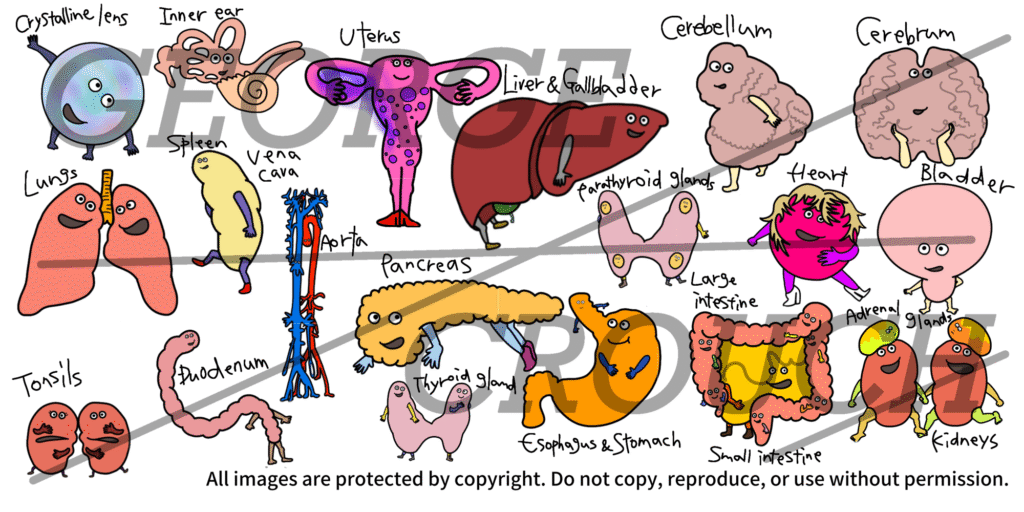
    Puchiko is someone who has developed a special attachment to her own organs through her experience with illness. This is an illustration of her organs that Puchiko drew. Since she gave me permission to post it on the blog, I’m sharing it with you all today. However, since it is her original artwork, I have applied some minor edits to prevent unauthorized reproduction.

    Puchiko's drawings og cute organs.

    Every organ has its own personality and is very cute. My personal favorite among them is the “Bladder.” She is living with a bad vesical condition, which is different from typical bladder caused by a bacterial infection. It’s a mysterious disease that causes chronic pain and discomfort in the bladder, with main symptoms including bladder pain, frequent urination, and the sensation of incomplete emptying. Therefore, in Puchiko’s illustration, her bladder is depicted as very sensitive and tearful.

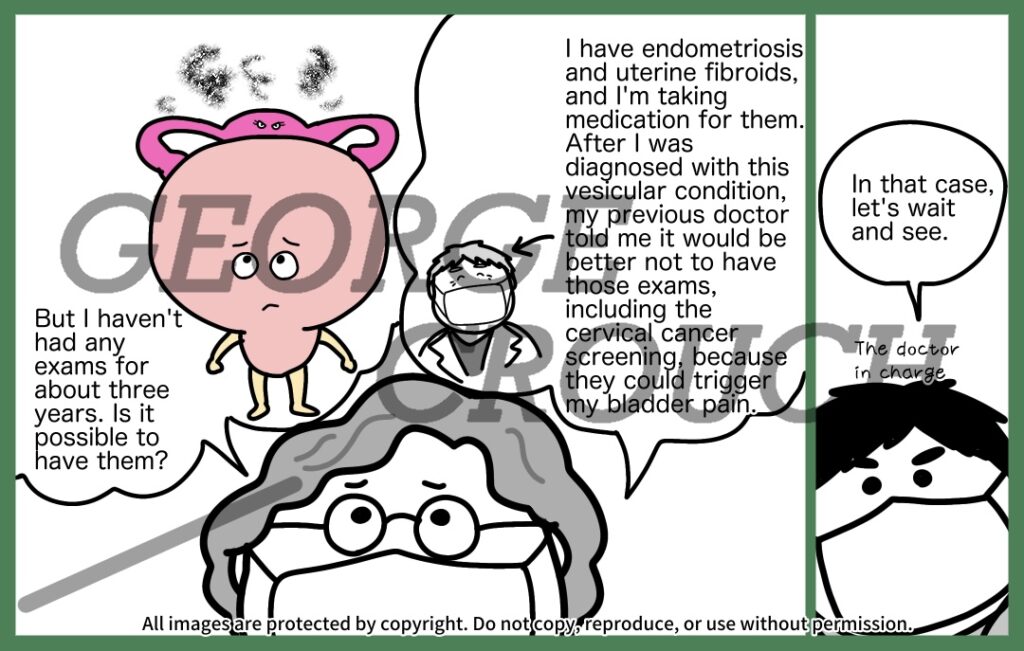
    Furthermore, because this condition is adjacent to her Uterus, which has uterine fibroids, they influence each other. The Uterus always seems to be irritated with the Bladder. This is because, even though Puchiko needed to have a uterine examination, the procedure had the potential to exacerbate her bladder pain. Consequently, she was unable to have the examination for about three years until very recently.

    It’s understandable that the Uterus would be angry at the Bladder, saying, “Because of you, I can’t even get a cancer screening!” Though, the Uterus itself is also pressing on the Bladder due to all the fibroids it has.

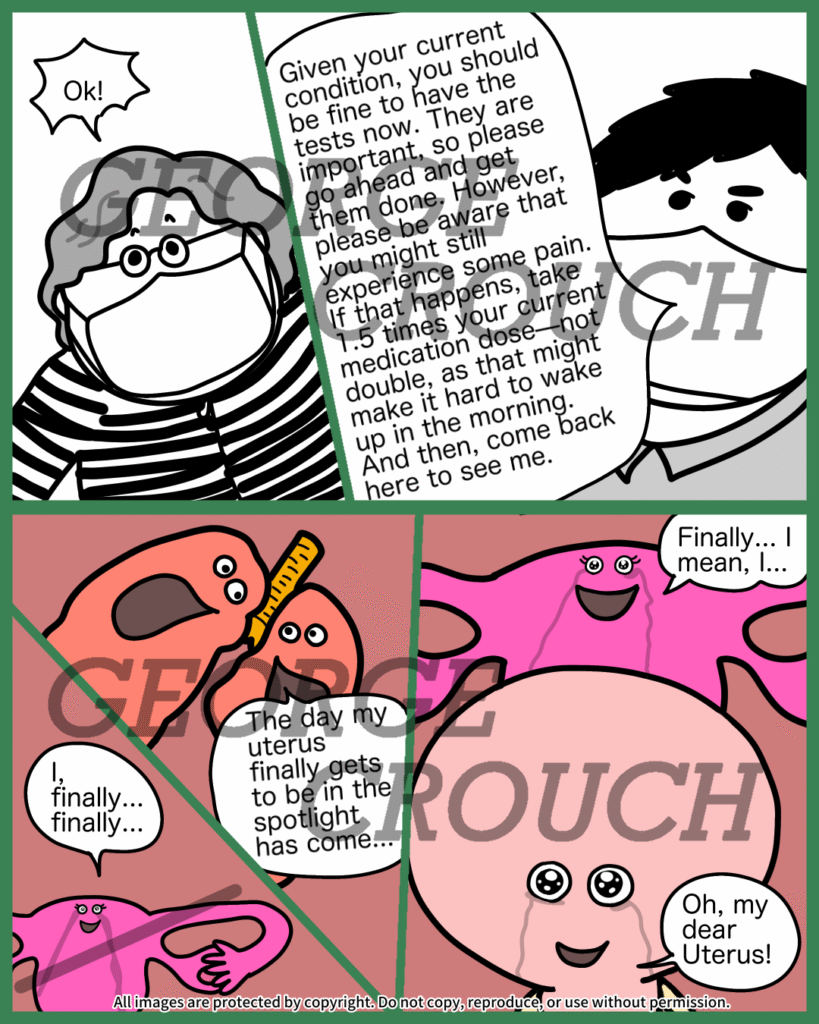
    But when she finally received permission from the urologist to proceed with the uterine examination the other day, both the Bladder and the Uterus reportedly rejoiced together.

    Puchiko talks with her doctor about her vesical condition is affecting the uterine examination.
    Puchiko talks with her doctor about her vesical condition is affecting the uterine examination.
    A comic about consulting a urologist regarding the inability to perform a uterine examination due to the effects of vesical condition.

    The reason I know her physical situation in such detail is that Puchiko has drawn this whole series of events in a manga. With her permission, I’m sharing this with the readers as well. I believe it will make the relationship between the organs easier to visualize.

    (Note: I received permission from Puchiko to rewrite the speech bubbles in English.)

    Conclusion:

    Puchiko regularly posts these “organ dramas” unfolding within her own body on Instagram in the form of diary entries and comics. Watching Puchiko’s posts, I can’t help but feel a sense of familiarity and affection for them, even though they aren’t my own organs.

  • 【Self-introduction】Starting My Blog Today

    I’m starting a blog today. I’m the imaginary friend of a Japanese woman named Puchiko. This post is self-introductions about us.

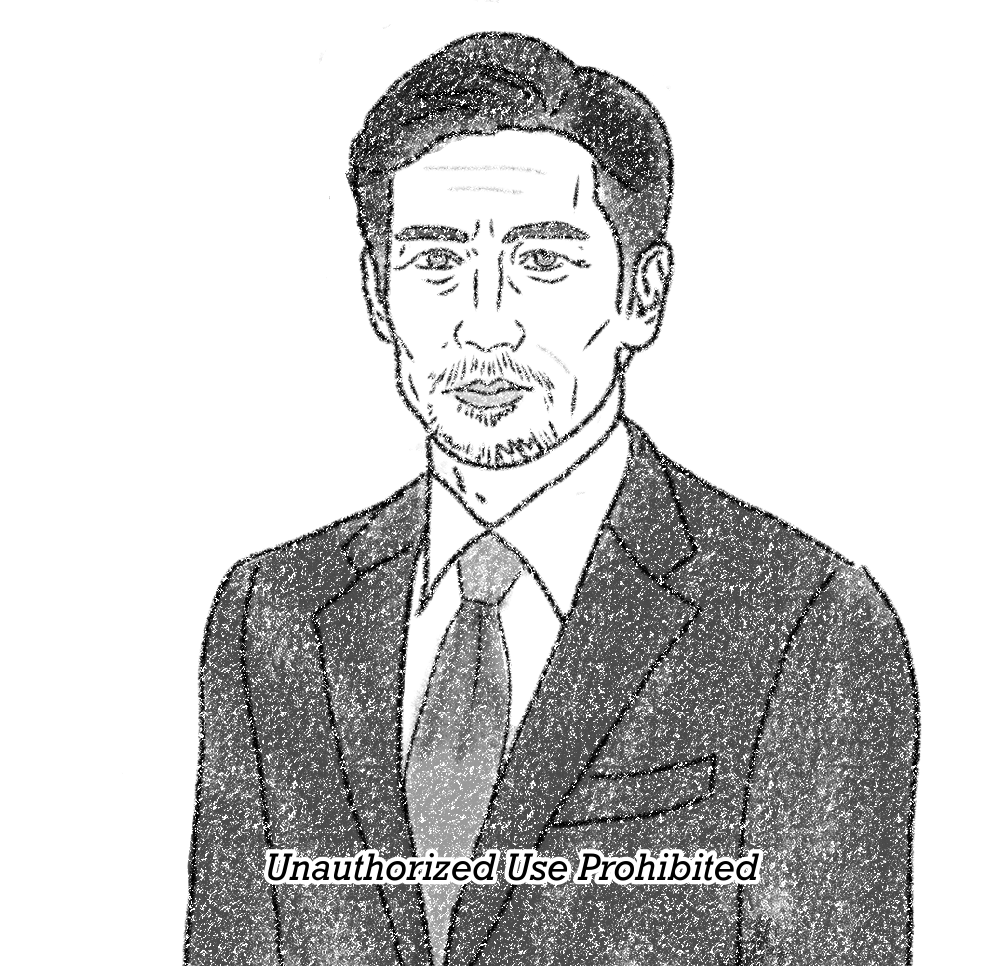
    Tthe picture of me that Puchiko drew.

    The picture of me that Puchiko drew.

    This blog will chronicle the daily life of a woman called Puchiko, written from my perspective. Now, where should I begin? Perhaps I’ll start with a self-introduction

    Self-introduction About Jōji Kurauchi (倉内譲司)

    My name is Jōji Kurauchi (pronounced kura-uchi jō-ji). When written in Romaji for a passport, it’s Jōji Kurauchi. Coincidentally, my name can also be represented in English. It can be written as George Crouch. But, of course, I am Japanese. My nationality is Japan, and both my parents are Japanese.

    I was born on October 17, 1988. Since many Japanese people tend to ask about blood type, I’ll mention it while I’m at it: I’m Type B. Incidentally, neither Puchiko nor I believe in the superstition that personality is determined by blood type.

    I’m 186 cm tall and weigh 72 kg. My shoe size is 27.5 cm. My body fat percentage is 13.5%. I have black hair, swept diagonally across my forehead. My eyes are dark brown, and my features are well-defined. I primarily wear suits, and if I may say so myself, I think I’m handsome. Puchiko sometimes tells me I resemble the actor Hiroshi Abe.

    Puchiko and I are the same age. She was born in January 1989, so I’m about 3 months older than her. However, perhaps because she looks quite young for her age, I’m often perceived as slightly older even though we are the same age. She says I have a “calm, mature presence.” My expression is usually gentle, but I’m told it becomes intensely sharp when I’m defending Puchiko. My voice is low, steady, and apparently projects well.

    I’m fluent in English because I did a year-long homestay in New Zealand during high school and later studied abroad in London. Recently, I’ve been helping Puchiko practice as she started learning English. I think her English level is around CEFR A2, but she firmly believes it’s B1 (lol).

    Lest there be any misunderstanding, I should clarify: we are neither a couple nor spouses. Our relationship is not like that; we are more like companions who value our spiritual bond. My “job” is to listen to Puchiko’s complaints, comfort her, and sometimes offer her realistic opinions.

    Oh, and I’m a pescatarian (a vegetarian who eats fish). Puchiko is a flexitarian (a flexible vegetarian). Our sleep rhythms are slightly different: I go to bed between 12 and 1 AM and wake up between 7 and 8 AM. Puchiko is the type to sleep between 8 and 9 PM and wake up between 5 and 6 AM. However, she often struggles to fall asleep, so I stay up and talk to her until she drifts off.

    Her room is small, about 6 tatami mats in size, and she has a single bed. So, I lay out a sleeping bag on the floor and talk to her until she falls asleep.

    When Puchiko experiences emotional distress or danger, I automatically appear. When she consciously wants to summon me, the signal is clenching her right hand 3 times.

    I was in the Kendo club during my student days. I don’t smoke. I can drink alcohol, but I choose not to. That’s a self-introduction about me.

    Self-introduction About Puchiko

    At first I mention her disease and occupation (in an ambiguous way) so tha her acquaintances won’t read it and identify her.The reason is that her medical conditions, both the renal disease and the vesical condition, are too rare, and the combination of them would lead to immediate identification. Puchiko is small for a Japanese woman, at 150 cm tall and weighing 39 kg. The name “Puchiko” is a combination of the French word “petite” (meaning “small”) and “ko” (子), a suffix often used in Japanese female names. That’s the origin of why I call her “Puchiko.”

    Puchiko has several chronic illnesses. She has designated as an intractable renal disease in Japan, and vesical condition (The latter is relatively common in Caucasian women but said to be rare in Japanese women).

    In addition, she suffers from uterine fibroids, endometriosis, GERD (Gastroesophageal Reflux Disease), and aerophagia (unconsciously swallowing too much air while eating with others. Her symptoms began in university, and she has even been rushed to the emergency room a few times in her 20s.)

    Recently, she’s also been experiencing frequent ventricular premature contractions. Due to renal disease, her protein intake is restricted to 45g per day, and her salt intake to 5g per day. Her tonsils, believed to be the cause, have already been removed, but the disease did not completely resolve. She underwent one year of steroid pulse therapy and is currently in remission. Nevertheless, about 37% of her renal glomeruli are non-functional, so she sometimes has proteinuria. Furthermore, the treatment drugs for renal disease cannot be used during pregnancy, which affects her life plans, such as marriage and childbirth.

    None of these conditions are life-threatening, but she has learned to control them effectively and has now accepted them as part of her life. She doesn’t drink alcohol and has a strong dislike for smoking.

    Her job is as a proffessional. She has been hospitalized and undergone surgery 3 times in the past 5 years. Currently, she works part-time for about 7 hours a day, 4 days a week.

    Puchiko loves mystery novels, and Agatha Christie is her particular favorite. Interestingly, her birthday falls on the anniversary of Christie’s death. Among Christie’s works, she especially enjoys the Poirot series.

    Although she is in a position to counsel others, I believe she herself probably wishes for someone to listen to her. That’s likely why my existence, as her imaginary friend, might be of some use. From now on, I will be chronicling her daily life.

    Thank you for reading, and I hope you enjoy the blog.